Reviewing November: A Designer’s Take on Seasonal Embroidery
As an embroidery designer who has spent years refining digitized art for commercial use, I approach every new machine embroidery design with a critical eye. It is not just about whether the file opens correctly; it is about how the final piece feels in a customer’s hands. Recently, I tested the November design to see if it truly captures the essence of the season and holds up under the scrutiny of a busy personalized gift shop. This review is written for fellow crafters, Etsy sellers, and small business owners who need reliable, high-quality assets for their holiday collections.
First Impressions: Mood and Aesthetic Appeal
The moment I loaded the November file into my software, the mood was immediately apparent. It does not scream for attention with loud colors or chaotic lines. Instead, it offers a quiet, elegant charm that speaks to the cozy, reflective nature of late autumn. The design feels both classic and modern, striking a balance that is increasingly difficult to find in digital marketplaces. For a handmade product, this subtlety is a strength. It suggests sophistication rather than novelty, which is crucial when targeting buyers looking for meaningful keepsakes rather than disposable decor.
The detail level is moderate, avoiding excessive complexity that can lead to thread breaks or puckering on delicate fabrics. This makes it versatile enough for various applications, from sturdy canvas tote bags to softer cotton blends. The emotional appeal lies in its simplicity; it evokes memories of harvest dinners, crisp mornings, and family gatherings, making it an ideal candidate for seasonal marketing campaigns.
Versatility Across Product Categories
One of the primary concerns for any Etsy seller or small shop owner is versatility. Can one design work across multiple product lines? In my testing, November proved to be remarkably adaptable. Here is how it performs across different categories:
- Baby Embroidery: When scaled down appropriately, the design works beautifully on baby blankets and onesies. Its gentle aesthetic fits well within nursery themes, offering a personalized touch without being overly juvenile.
- Kitchen and Home Textiles: An embroidered towel featuring this motif becomes an instant heirloom. The design sits well on flour sack towels, adding a layer of warmth to kitchen decor. Similarly, it elevates a simple pillow cover, turning a basic home accessory into a seasonal statement piece.
- Wedding and Family Keepsakes: For weddings occurring in late autumn, this design serves as a subtle nod to the season. It can be incorporated into guest book covers or commemorative aprons, adding a layer of personalization that resonates with couples who value tradition.
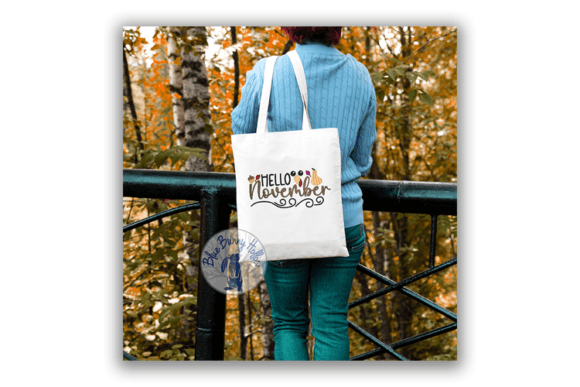
- Custom Tote Bags and Apparel: On thicker fabrics like canvas or denim, the stitch density holds up well, providing a durable and attractive finish. This makes it a strong contender for craft fair products where durability is key.
Navigating Technical Challenges and Fabric Constraints
While the design is robust, no embroidery file is universally perfect without proper preparation. During my trial runs, I identified specific scenarios where caution is required. Small lettering or intricate details within the design may get lost on textured fabrics such as waffle weave or heavy terry cloth. If you are stitching on an embroidered towel or a plush blanket, ensure that the stitch direction complements the fabric texture to maintain clarity.
Stretchy fabrics, common in baby clothes, require careful handling. Without the right stabilizer, even a well-digitized design can distort. I recommend using a cut-away stabilizer for garments that will undergo frequent washing, as this provides long-term support. Additionally, when working with dark fabrics, thread color contrast becomes critical. A mockup on dark fabric might look stunning in theory, but in practice, you may need to adjust thread colors to ensure the design remains visible and vibrant.
Curved surfaces, such as the sleeves of a onesie or the corner of a pillow, also present challenges. Hooping these items correctly is essential to prevent shifting. Always check the recommended hoop size before starting your project to ensure the design fits comfortably within the embroidery field without requiring re-hooping, which can lead to misalignment.
Enhancing Perceived Value and Customer Trust
From a business perspective, the quality of your digital embroidery file directly impacts your brand reputation. A clean, professional finish builds customer trust. When a buyer receives a personalized gift that looks meticulously crafted, they are more likely to leave positive reviews and return for future purchases. The November design contributes to this perception of quality. Its clean lines and balanced composition suggest a high level of craftsmanship, even if the production time is relatively short.
Product photography also benefits from a strong design. The visual appeal of November translates well into images, allowing sellers to create compelling listings. Whether you are showcasing a blanket embroidery project or a custom apron, the design’s inherent charm helps drive buyer engagement. It tells a story of warmth and care, which is exactly what customers seek when purchasing handmade items during the holiday season.
Practical Steps for Successful Implementation
Before adding this design to your inventory or using it for a client order, follow these practical steps to ensure success:
- Test on Scrap Fabric: Never stitch a new design directly on your final product. Use scrap fabric similar in weight and texture to your intended material to check for issues.
- Check Thread Color Contrast: Experiment with different thread palettes. While traditional autumn colors work well, consider muted pastels for baby items or metallics for wedding gifts to add a unique twist.
- Confirm Hoop Size and Stitch Density: Review the technical specifications provided with the file. Ensure your machine can handle the stitch density without causing fabric puckering or thread breaks.
- Use Proper Stabilizer: Match your stabilizer to your fabric. Tear-away may suffice for stable woven fabrics, but cut-away is better for knits and items that will be washed frequently.
- Compare Light and Dark Mockups: Create digital or physical mockups on both light and dark backgrounds to determine the best thread combinations for visibility and aesthetic appeal.
- Inspect Small Details: After stitching, examine the smallest elements of the design. If they appear cluttered or unclear, consider adjusting the scale or simplifying the thread colors.
- Verify Commercial Licensing: Before selling finished products, confirm that your purchase of the digital embroidery file includes commercial rights. This protects your business and ensures ethical use of the designer’s work.
Final Thoughts for the Modern Maker
In the competitive world of custom embroidery and handmade sales, having reliable, versatile designs is half the battle. November stands out as a thoughtful addition to any designer’s library. It captures the spirit of the season without being cliché, offering a refined option for those looking to create meaningful, personalized gifts. Whether you are preparing for the rush of holiday orders or building a year-round collection of seasonal items, this design offers the flexibility and quality needed to satisfy discerning customers.
Remember, the success of your small shop product depends not just on the design itself, but on how well you execute it. Pay attention to fabric choice, stabilization, and thread selection. By treating each project with care and attention to detail, you transform a simple machine embroidery design into a cherished keepsake. For those ready to elevate their offerings, November provides a solid foundation for creating stunning, personalized projects that resonate with the warmth and beauty of the season.