Reviewing the Blade Runner Excavator Embroidery Design
As an embroidery designer who spends countless hours digitizing and testing files, I am always on the lookout for designs that balance visual impact with technical reliability. When I first encountered the Blade Runner Excavator on Creative Fabrica, I was intrigued by its promise of capturing modern aesthetics and functionality. For those of us in the Work category of design, finding a construction vehicle motif that looks professional rather than cartoonish is a challenge. This review breaks down my experience evaluating this machine embroidery design for real-world commercial use.
First Impressions and Visual Mood
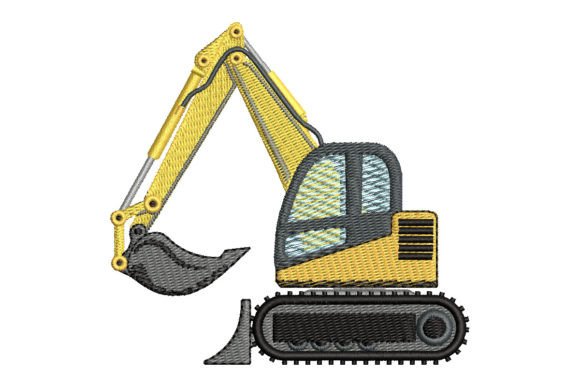
The initial appeal of the Blade Runner Excavator lies in its meticulous detail. Unlike many generic construction vehicle files that rely on blocky shapes, this design aims for a more realistic representation. The visual mood is industrial yet clean, making it suitable for a variety of audiences, from children who love big trucks to adults working in the construction industry. The decorative appeal is strong because it avoids excessive clutter, focusing instead on the recognizable silhouette and key mechanical features of an excavator.
For embroidery designers, the stitching personality appears versatile. It suggests a mix of satin stitch for outlines and fill stitch for the body of the vehicle, which is standard for achieving a polished look. The design does not scream "novelty item"; instead, it feels like a legitimate graphic element that could elevate a branded uniform or a high-quality gift. This distinction is crucial when creating products for Etsy listings or craft fair displays, where perceived value drives sales.
Real-World Application for Handmade Products
When considering a new embroidery file, I always ask myself: where does this belong? The Blade Runner Excavator is surprisingly adaptable. Here is how I envision it performing across different product lines:
- Custom Apparel: This design would work exceptionally well on workwear, such as durable canvas jackets or heavy cotton t-shirts for construction crews. It adds a personalized touch that boosts team morale.
- Tote Bag Design: A sturdy canvas tote featuring this excavator makes for a practical and stylish accessory for parents carrying toys or professionals carrying tools. The bold lines ensure visibility even from a distance.
- Sweatshirt Embroidery: On a fleece or cotton blend sweatshirt, the fill stitches provide a nice texture contrast. It is an ideal choice for a personalized gift for a child who is obsessed with construction vehicles.
- Embroidered Patch: Given its self-contained shape, this design is perfect for creating iron-on or sew-on patches. Patches are a trending item in handmade shops, allowing customers to customize their own gear later.
- Nursery Decor: While industrial, the clean lines fit well into modern nursery themes, especially for rooms with a transportation motif. It can be stitched onto pillow covers or wall hangings.
Technical Considerations and Stitch Performance
Before running any digital embroidery file on a customer’s garment, technical due diligence is non-negotiable. The description notes that the design is meticulously detailed, which often implies a higher stitch density. High density can lead to fabric puckering if not managed correctly. Therefore, using the appropriate stabilizer is critical. For stretchy fabrics like jersey knits used in t-shirts, a cut-away stabilizer is recommended to support the weight of the stitches. For woven fabrics like denim or canvas, a tear-away might suffice, but testing is essential.
Another factor to consider is the hoop size. Although specific dimensions are not provided in the brief description, excavator designs typically require a medium to large hoop to capture the length of the arm and bucket without compromising detail. If you are working with smaller hoops, you may need to check if the design comes in multiple sizes or if it can be split, though splitting complex machinery designs is rarely advisable due to alignment issues.
Color management is also key. The thread colors chosen will dramatically affect the final outcome. On dark fabric, you must ensure there is enough contrast. A yellow or orange excavator on navy blue works well, but on black fabric, you might need to add an underlay or choose brighter thread shades to prevent the design from getting lost. Always create a printable mockup or stitch out a test sample on scrap fabric of the same type and color as your final product. This step saves time and materials by revealing any potential issues with tiny lettering or dense areas before committing to the finished piece.
Enhancing Product Value and Brand Consistency
Using high-quality assets like the Blade Runner Excavator directly impacts buyer trust. Customers can spot low-resolution or poorly digitized designs instantly. A clean, well-stitched image signals professionalism. When you list these items as commercial embroidery products on platforms like Etsy, the visual appeal of your product photography becomes paramount. A crisp, well-defined excavator stitch-out photographs better than a messy one, leading to higher engagement and conversion rates.
Furthermore, this design supports brand consistency for shops specializing in vocational or industrial-themed gifts. By offering a range of high-quality design assets that share a similar aesthetic, you build a recognizable brand identity. Whether it is an apron for a young builder or a cap for a site supervisor, the consistent quality reinforces the perception of your handmade shop as a premium provider.
Practical Tips for Commercial Use
If you plan to sell items made with this Creative Fabrica embroidery design, keep these practical notes in mind:
- Check Licensing: Always review the license terms on the Creative Fabrica product page. Ensure that the license covers commercial use for physical goods if you intend to sell finished products.
- Test on Curved Surfaces: If applying this to caps, remember that curved surfaces distort designs. You may need to adjust the pull compensation or use a specialized cap frame to ensure the excavator does not look stretched or warped.
- Washability: For items like baby blankets or kitchen towels that undergo frequent washing, secure all thread tails properly and consider using polyester thread for its durability and colorfastness.
- Inspect Small Details: After stitching, inspect the finer details of the excavator’s tracks or cabin windows. If they appear too dense or muddy, you may need to adjust your machine tension or switch to a finer needle.
In conclusion, the Blade Runner Excavator offers a compelling option for designers looking to expand their Work themed portfolio. Its versatility across various handmade product types, from apparel to home decor, makes it a valuable addition to your library. By paying attention to technical details like stabilizer choice and thread contrast, you can ensure that every stitched piece meets the high standards your customers expect. Always verify the specific file details and compatibility with your machine before starting your next project to guarantee the best results.