Fantastic Border: A Designer’s Practical Review
As a designer who has spent countless hours staring at digitized files and watching needles dance across fabric, I have learned that not every machine embroidery design is created equal. Some look stunning on a screen but turn into a tangled mess on the hoop. Others are simple, reliable workhorses that elevate a product without demanding perfection from the operator. Today, I am taking a close look at Fantastic Border, a versatile piece within the broader category of Borders that promises to add a colorful, decorative touch to various textiles.
My goal here is not to sell you a dream, but to give you a realistic assessment of how this embroidery file performs in the wild. Whether you are an Etsy seller looking for your next best-seller or a hobbyist making gifts for family, understanding the practical implications of a design before you hit "start" is crucial.
First Impressions and Visual Personality
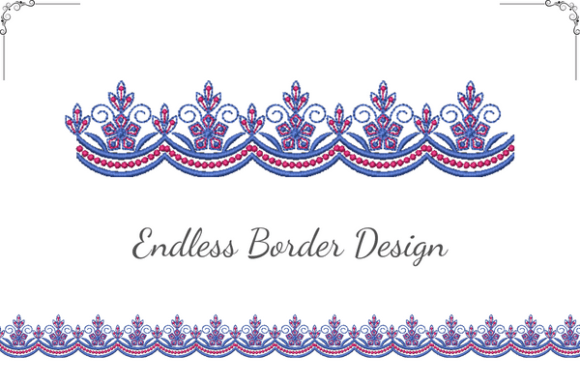
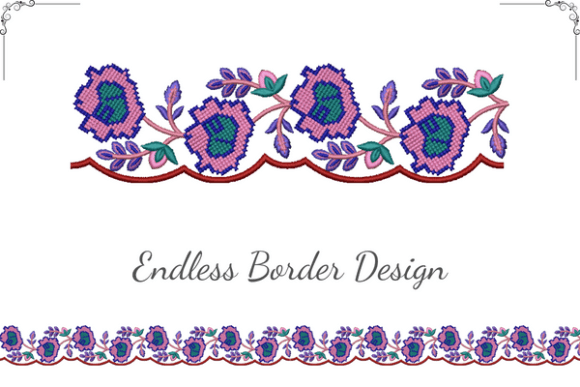
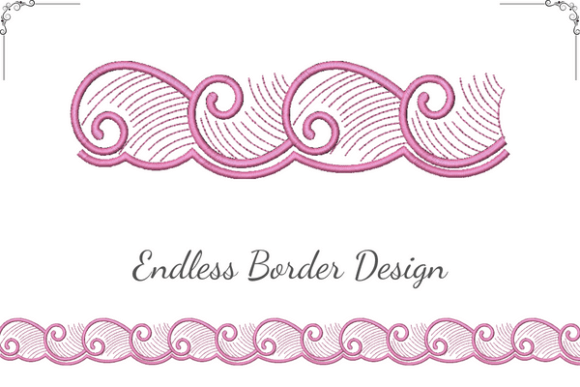
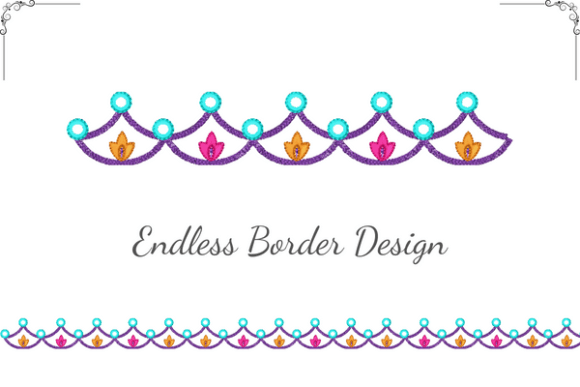
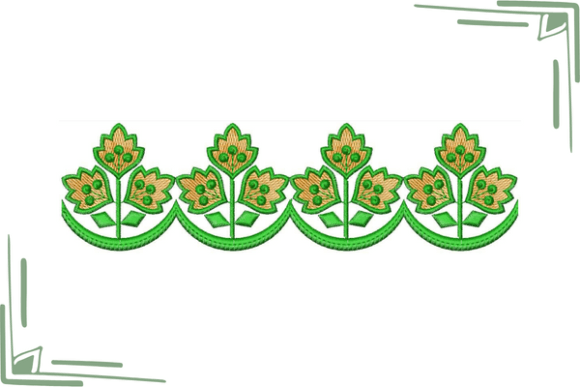
When I first loaded Fantastic Border into my viewing software, the immediate impression was one of balanced whimsy. It does not scream for attention with overly complex density or aggressive saturation. Instead, it offers a lovely, flowing structure that suggests movement and warmth. The layout feels organic, which is essential for a border element. Unlike rigid geometric frames that can feel stiff on soft goods, this design has a natural rhythm.
The visual personality of this piece leans towards the friendly and approachable. It creates a mood that is welcoming, making it an excellent candidate for home decor and personal items. For a designer, this means the asset is flexible. It does not lock you into a single aesthetic niche. You can pair it with playful fonts for children’s items or elegant serif typefaces for more sophisticated home goods. The detail level is moderate, avoiding the pitfalls of micro-details that often break down during stitching, while still providing enough texture to be interesting up close.
Real-World Application: The Custom Tote Test
To truly evaluate a design, you must imagine it on a finished product. Recently, I was preparing a batch of custom canvas tote bags for a local farmer’s market vendor. She needed something that would appeal to a broad audience but still feel handmade and special. I considered using Fantastic Border along the bottom hem of the bag.
The result was impressive. Because the design is categorized under Borders, it naturally follows the line of the fabric. On the sturdy cotton canvas, the stitches held their shape well. The colorful look mentioned in the product description came to life when I used a variegated thread for the main elements and a solid contrasting color for the outlines. Customers were drawn to the tactile quality of the embroidery. It transformed a plain utility item into a handmade product with perceived value.
This scenario highlights why this design works so well for small shop products. It is not so large that it dominates the item, nor so small that it gets lost. It acts as a perfect accent, framing the space without overcrowding it. This makes it ideal for tote bag design, aprons, and even the hems of custom apparel like sweatshirts or denim jackets.
Versatility Across Product Lines
One of the strongest assets of Fantastic Border is its adaptability. The description notes it can be embroidered on any fabric, and in my experience, this holds true with some caveats regarding stabilization. Here is how it performs across different categories:
- Home Decor: It shines on pillow covers and tea towels. The linear nature of the design complements the rectangular shapes of these items perfectly. For holiday embroidery, changing the thread palette to seasonal colors can instantly refresh the look without needing a new digitization.
- Apparel: On sweatshirt embroidery, the design adds a boutique feel to the cuffs or collar. However, care must be taken with stretchy fabrics. Using a cut-away stabilizer is non-negotiable here to prevent puckering.
- Baby Items: For baby embroidery on onesies or burp cloths, the soft curves of the border are safe and appealing. Ensure you use soft, high-quality threads to maintain comfort against sensitive skin.
- Accessories: It works beautifully as an embroidered patch element or on caps. When applying to curved surfaces like hats, hooping technique becomes critical to ensure the border does not distort.
Technical Considerations and Stitching Behavior
While the design is user-friendly, a professional eye must consider the technical execution. The mix of satin stitch and fill stitch areas appears balanced, but you should always check the stitch density on your specific machine. If you are working with thin fabric, such as silk or lightweight rayon, the density might require a heavier stabilizer or a test run on scrap material first.
I recommend testing the design in black and white mockups before committing to thread colors. This helps you see the contrast and clarity of the running stitch outlines against the filled areas. On dark fabrics, you may need to adjust your thread choices to ensure the details pop. A common mistake is using low-contrast colors, which can make the intricate parts of the border blend together and lose definition.
Also, consider the hoop size. While the design is versatile, ensure your hoop can accommodate the full length of the border if you intend to stitch it in one go. If you are stitching on a large item like a blanket, you might need to reposition the hoop, which requires careful alignment to avoid visible jumps or overlaps in the pattern.
Commercial Viability and Brand Consistency
For craft business owners and digital embroidery file sellers, consistency is key. Fantastic Border offers a level of professionalism that builds customer trust. When a buyer sees clean, well-executed stitching, they associate that quality with your brand. This design supports that perception.
It is also a strong candidate for printable mockup creation. Because the design is visually distinct, it photographs well, allowing you to create compelling design assets for your online store. Whether you are selling the finished product or the digital file itself, the visual appeal of this border can drive engagement.
However, always verify the licensing terms. If you plan to use this for commercial embroidery projects or sell items made with it, confirm that the license allows for commercial use. Most reputable designers provide this, but it is always better to check than to assume.
Final Verdict for the Modern Maker
In conclusion, Fantastic Border is a reliable, aesthetically pleasing addition to any designer’s library. It bridges the gap between decorative flair and practical application. It is not just a pretty picture; it is a functional tool for enhancing personalized gift options and elevating small business merchandise.
My advice is to start with a test stitch on a similar fabric to your final project. Pay attention to thread tension and stabilizer choice. Once dialed in, this design can become a staple in your repertoire for everything from kitchen towel accents to boutique apparel decorators projects. It respects the material it is stitched on and rewards the maker with a polished, professional finish.