Colorful Border: A Designer’s Review for Real Projects
As an embroidery designer who has spent years digitizing and testing files for both personal passion projects and client work, I approach every new machine embroidery design with a critical eye. It is not just about whether the file opens correctly; it is about how the design behaves under the needle, how it translates to fabric, and ultimately, how it elevates the finished product. Recently, I had the opportunity to evaluate Colorful Border, a vibrant addition to the Borders category that promises versatility across various textiles. Here is my honest assessment of how this design performs in real-world scenarios.
First Impressions and Visual Personality
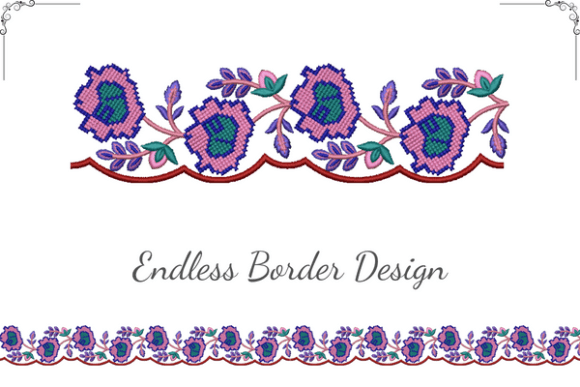
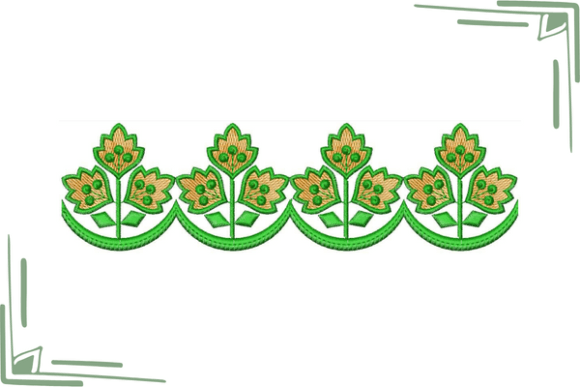
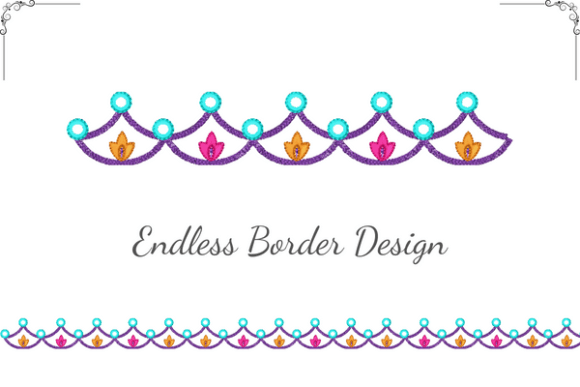
The first thing that strikes you about Colorful Border is its energetic mood. Unlike rigid, geometric borders that can feel stiff or overly formal, this design carries a playful yet polished aesthetic. The layout suggests a fluidity that works well for adding a splash of personality without overwhelming the base item. When I loaded the embroidery file into my software, the color separation looked intentional, designed to create depth through thread contrast rather than relying solely on complex stitch types.
For those of us who sell handmade products, visual appeal is the primary driver of customer engagement. This design does not look like a generic clipart conversion. It has the organic feel of a custom-drawn element, which is crucial for building trust with buyers who are increasingly savvy about the difference between low-quality digital assets and professional-grade designs. The visual personality leans towards cheerful and welcoming, making it an excellent candidate for items meant to bring joy, such as nursery decor or kitchen accessories.
Real-World Application: The Tote Bag Test
To truly understand the utility of Colorful Border, I moved beyond digital mockups and stitched it out on a canvas tote bag. This is a common request for Etsy sellers and small shop owners who need durable, high-visibility merchandise. The border was placed along the bottom hem, framing the bag’s structure.
The result was impressive. The design held its shape well on the sturdy cotton canvas, providing a crisp finish that elevated the perceived value of the bag. Customers often judge the quality of a custom apparel or accessory item by the neatness of its edges. Because this border has a defined structure, it creates a professional frame that makes the entire piece look curated rather than hastily assembled. It would work equally well on a heavy-duty apron for a boutique coffee shop or as a decorative accent on a linen tea towel.
Versatility Across Product Lines
Beyond tote bags, I considered how this design would translate to other popular categories. For sweatshirt embroidery, the colorful nature of the border offers a great way to break up large blocks of solid color on hoodies or crewnecks. Placing it along the cuff or the hem adds a subtle detail that feels premium. In the realm of baby embroidery, the soft, rounded elements of the design make it safe and appealing for onesies or burp cloths, provided the stitch density is appropriate for delicate skin.
For holiday embroidery projects, this border can be easily adapted by changing the thread palette. Imagine it in reds and greens for Christmas, pastels for Easter, or bright primaries for a birthday gift. This flexibility makes it a valuable asset for craft business owners who need to rotate inventory seasonally without constantly buying new designs.
Technical Considerations and Fabric Compatibility
While Colorful Border is described as suitable for any fabric, experienced embroiderers know that context matters. The description notes it works on pillows, towels, and apparel, but I advise caution when working with challenging materials. On stretchy fabrics like jersey knits, a robust stabilizer is non-negotiable to prevent puckering. Since borders often run along edges or curves, the tension must be balanced perfectly.
If you are using this on thin or sheer fabrics, consider the stitch density. While I did not have the exact stitch count data, visually, the design appears to use a mix of satin stitch for outlines and fill stitch for broader areas. On delicate silks or lightweight rayons, high-density fills can cause distortion. Always test on scrap fabric first. Additionally, if you are stitching on dark fabric, ensure your thread colors have enough contrast. A running stitch underlay can help anchor the design and prevent the background fabric from peeking through unwanted areas.
Curved surfaces, such as caps or hats, require careful hooping. If you plan to use this as an embroidered patch or directly on a cap, check the hoop size compatibility. The design needs enough flat space to stitch out cleanly without hitting the curve of the brim or the seam of the hat.
Enhancing Brand Value and Customer Trust
For digital embroidery file sellers and those who sell finished goods, consistency is key. Using a cohesive set of borders like Colorful Border helps establish brand recognition. When customers see a consistent style across your printable mockup images and actual products, it builds professionalism. This design contributes to that sense of quality. It is not just decoration; it is a branding tool.
Moreover, the "giftability" factor is high. Personalized gifts sell better when they look thoughtful. Adding this border to a monogrammed pillow cover or a customized kitchen towel transforms a basic item into a cherished keepsake. It signals to the buyer that care was taken in the design process, which justifies a higher price point for your small shop product.
Practical Notes for Designers
Before integrating Colorful Border into your commercial workflow, keep these practical tips in mind:
- Test Stitch First: Always run a test on the actual fabric you intend to use. Check for thread breaks or nesting.
- Check Licensing: Confirm whether the license allows for commercial use of finished items. Most standard licenses allow selling physical products but restrict reselling the digital file itself.
- Thread Selection: Use high-quality rayon or polyester threads to maximize the vibrancy implied by the name "Colorful." Cheap threads may dull the effect.
- Hoop Size Verification: Ensure the design fits within your machine’s maximum hoop size, especially if you plan to scale it up for larger home decor items like blankets.
- Mockup Diversity: Create mockups on both light and dark backgrounds to show potential buyers how versatile the design is.
In conclusion, Colorful Border is a strong contender for designers looking to add a lively, professional touch to their embroidery project lineup. It bridges the gap between playful creativity and commercial viability. Whether you are creating a personalized gift for a friend or stocking your online store with fresh design assets, this border offers the reliability and aesthetic appeal needed to succeed in today’s competitive handmade market. Just remember to respect the technical limits of your materials, and let the design do what it does best: bring color and life to your fabric.