Chinese Shar-Pei: A Designer’s Craft Fair Review
As an embroidery designer who has spent countless weekends behind a booth table, I know that not every design translates well from the screen to the hoop. When I first pulled up the Chinese Shar-Pei machine embroidery design, my immediate reaction was one of cautious optimism. The description promises to transform creations into awe-inspiring works of art, but in the high-stakes environment of a craft fair, "awe-inspiring" must also mean "instantly recognizable" and "quick to produce." This review breaks down how this specific Dogs category design performs for handmade product creators, Etsy sellers, and boutique makers.
First Impressions and Visual Appeal
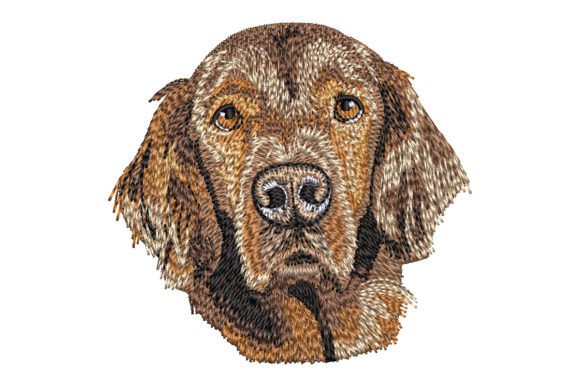
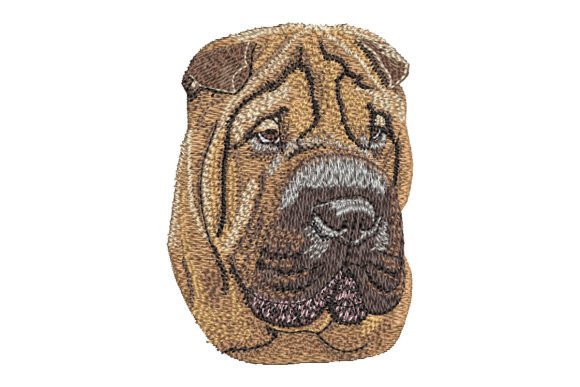
The Chinese Shar-Pei is a breed defined by its unique wrinkles and expressive face. For an embroidery file to succeed, it must capture that texture without becoming a muddy mess of thread. Upon reviewing the digitizing, I look for clean satin stitches in the eyes and well-placed fill stitches in the wrinkled areas. If the design feels too dense, it will pucker; if it is too sparse, it will lack the character that makes Shar-Pei lovers stop at your booth.
This design strikes a balance between cute and dignified. It does not lean too heavily into cartoonish exaggeration, which gives it a premium feel suitable for higher-priced items. For craft fair sellers, this visual appeal is crucial. Customers browsing a crowded market need to identify the subject within seconds. The distinct silhouette of the Chinese Shar-Pei ensures that even from a distance, dog enthusiasts will notice the piece among other generic pet designs.
Product Suitability and Batch Production
Not every embroidery file works on every substrate. Here is how I would deploy this design across a typical craft fair inventory:
- Tote Bag Design: This is likely the strongest seller. A medium-sized hoop placement on a canvas tote allows the wrinkles and facial details to shine. The flat surface of a tote bag minimizes distortion, ensuring the design remains crisp.
- Apron Embroidery: Placing the Chinese Shar-Pei on the bib of a kitchen apron creates an instant conversation starter. It appeals to the "dog mom" demographic who loves to cook and host.
- Tea Towel Embroidery: Caution is needed here. Tea towels have a loose weave. If the stitch density is too high, the fabric will pull. I recommend using a cut-away stabilizer and testing on scrap fabric first to ensure the edges do not fray or distort.
- Embroidered Patch: If the design includes a clean border, it can be made into an iron-on patch. This is a fantastic small shop product because it requires no hooping of the final garment, speeding up production time significantly.
- Caps and Curved Surfaces: Embroidering on a curved cap surface is tricky. The wrinkles of the Shar-Pei might distort if the hoop tension is not perfect. I would only attempt this if the design is relatively small and centered, avoiding the side panels where curvature is most extreme.
Practical Selling Points for the Etsy Seller
For digital sellers and those listing finished products online, photography is everything. The Chinese Shar-Pei design offers great contrast opportunities. On dark fabrics, using light thread colors like cream, tan, or white makes the design pop. On light fabrics, rich browns and blacks define the features. This versatility allows you to create a cohesive brand aesthetic while offering variety.
When creating a printable mockup or listing images, focus on the texture. Show close-ups of the stitching to prove the quality of the embroidery file. Buyers of commercial embroidery products want to see that the thread lay is smooth and that there are no excessive jump stitches. Highlighting these details in your Etsy listings builds trust and justifies a higher price point for your handmade product.
Technical Considerations and Careful-Use Notes
Before running a full batch of twenty tote bags, you must address several technical factors. First, check the stitch density. Dense areas, particularly around the neck folds, can cause needle breaks or fabric puckering if the stabilizer is insufficient. Always use the right stabilizer for your fabric weight. For heavy canvas, a tear-away might suffice, but for lighter cottons or textured towels, a cut-away is safer.
Second, consider the size. If you shrink the Chinese Shar-Pei design to fit a small pouch or a baby onesie, tiny details may merge. Test the design at its smallest intended size on scrap fabric. If the eyes become solid blobs or the wrinkles disappear, you need to limit the design to larger items like pillow covers or market bags.
Third, thread contrast is vital. Because Shar-Peis often come in solid colors like fawn, black, or cream, your thread choice must provide definition. Do not rely solely on the fabric color to define the shape. Use a slightly darker or lighter shade for outlining key features to ensure the design reads clearly from a distance.
Maximizing Booth Display Strength
In a physical booth, display strength drives buyer engagement. Group your Chinese Shar-Pei items together to create a themed collection. Place a large embroidered pillow cover at eye level to draw attention, then flank it with smaller items like patches or pouches. This tiered approach captures both the impulse buyer and the customer looking for a substantial gift.
Consistency in your brand presentation matters. If your shop focuses on rustic or farmhouse styles, pair the embroidery with natural linen or burlap textures. If your brand is modern and minimal, use sleek, solid-colored fabrics. The design itself is versatile enough to adapt, but your surrounding elements must support the mood you wish to convey.
Final Verdict for Creative Entrepreneurs
The Chinese Shar-Pei embroidery design is a strong contender for your next production run. It offers emotional resonance for a dedicated niche of dog lovers while maintaining the aesthetic quality required for premium handmade goods. However, success depends on execution.
- Test thoroughly: Always stitch out a sample on your actual production fabric.
- Check licensing: Confirm commercial licensing terms before selling finished products. Ensure the digital embroidery file permits commercial use for physical goods.
- Optimize for clarity: Adjust thread colors to maximize contrast against your chosen fabric texture.
- Photograph wisely: Use good lighting to highlight the stitch quality in your online listings.
By treating this design as a strategic asset rather than just a decorative element, you can elevate your craft fair presence and boost sales. Whether you are an experienced embroidery business owner or a new creative entrepreneur, the Chinese Shar-Pei offers the charm and quality needed to stand out in a competitive market. Embrace the allure, but respect the technical requirements, and this design will undoubtedly become a staple in your portfolio.